

The 2025 holiday season didn't just grow — it rewrote the record books. US shoppers spent $257.8 billion online between November 1 and December 31, up 6.8% year over year (Adobe Analytics, Jan 2026). On Shopify alone, merchants pulled in a record $14.6 billion over the four-day BFCM weekend, up 27% (Shopify, Dec 2025).
So the question for 2026 isn't whether people will shop online — it's how. Six shifts are reshaping the season, and the biggest one didn't even exist at this scale a year ago.
1. AI stops recommending and starts buying
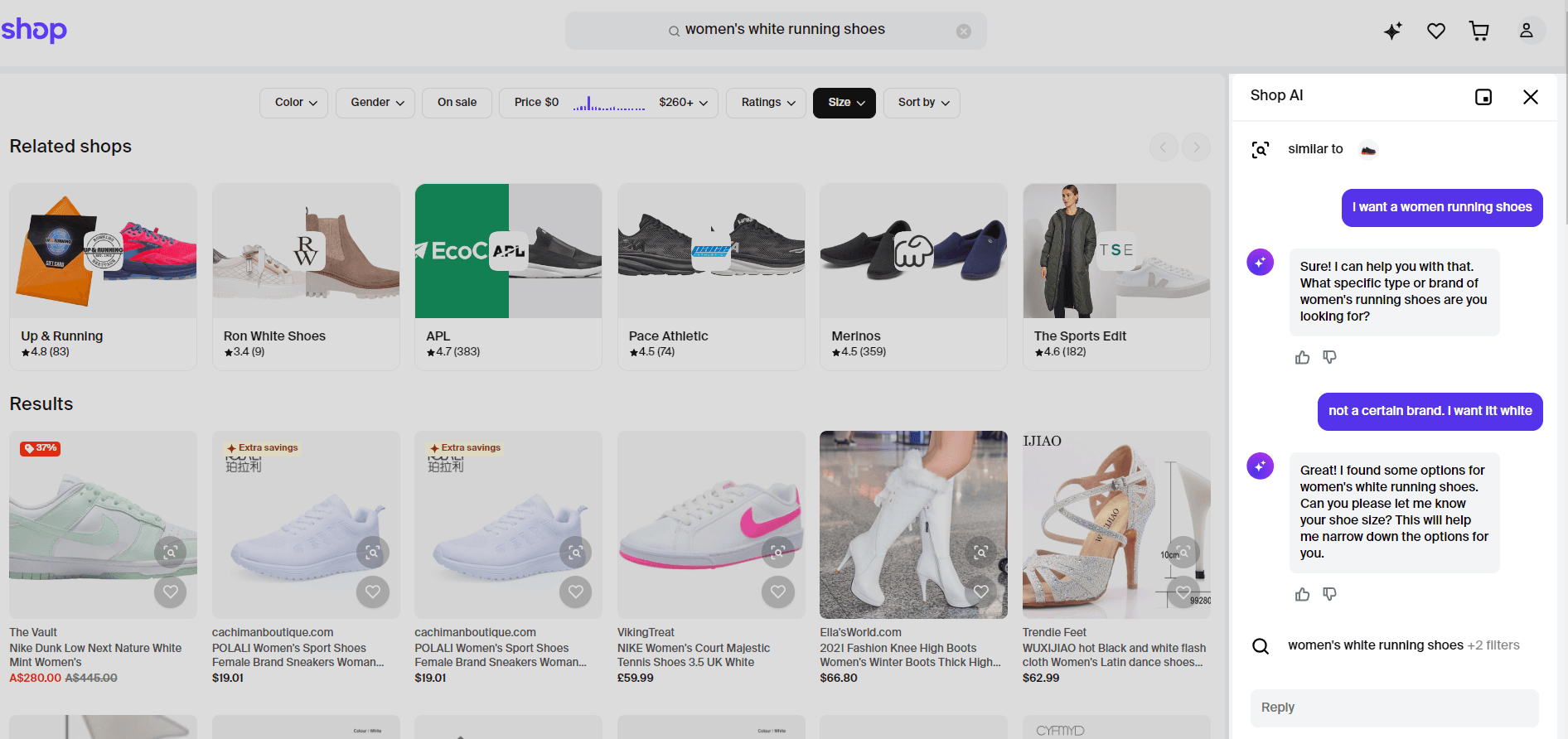
The headline change for 2026: shoppers are no longer just getting AI product suggestions - AI agents are completing the purchase for them. During the 2025 holiday season, traffic to US retail sites from generative-AI tools jumped 693.4% year over year, and 38% of consumers said they used generative AI to shop online (Adobe, Jan 2026).
That behavior is now infrastructure. ChatGPT reached 900 million weekly active users by early 2026 and handles roughly 50 million shopping queries a day, with ChatGPT Shopping live for US users across Etsy and 1 million-plus Shopify merchants (OpenAI economic research, 2026). Google AI Mode, Microsoft Copilot Checkout, and Perplexity have all shipped in-answer buying. McKinsey projects agentic commerce will reach $3–5 trillion globally by 2030.
The practical takeaway for merchants: the "customer" reading your product page in 2026 is increasingly a machine. Pages with structured, complete product data get cited far more often by AI shopping tools, while thin descriptions and missing attributes get skipped entirely. Clean feeds are no longer an SEO nicety — they're the price of being discoverable.
Read more: Unleash the power of AI for your SMS Marketing
2. Social commerce is now a real sales channel, led by TikTok Shop
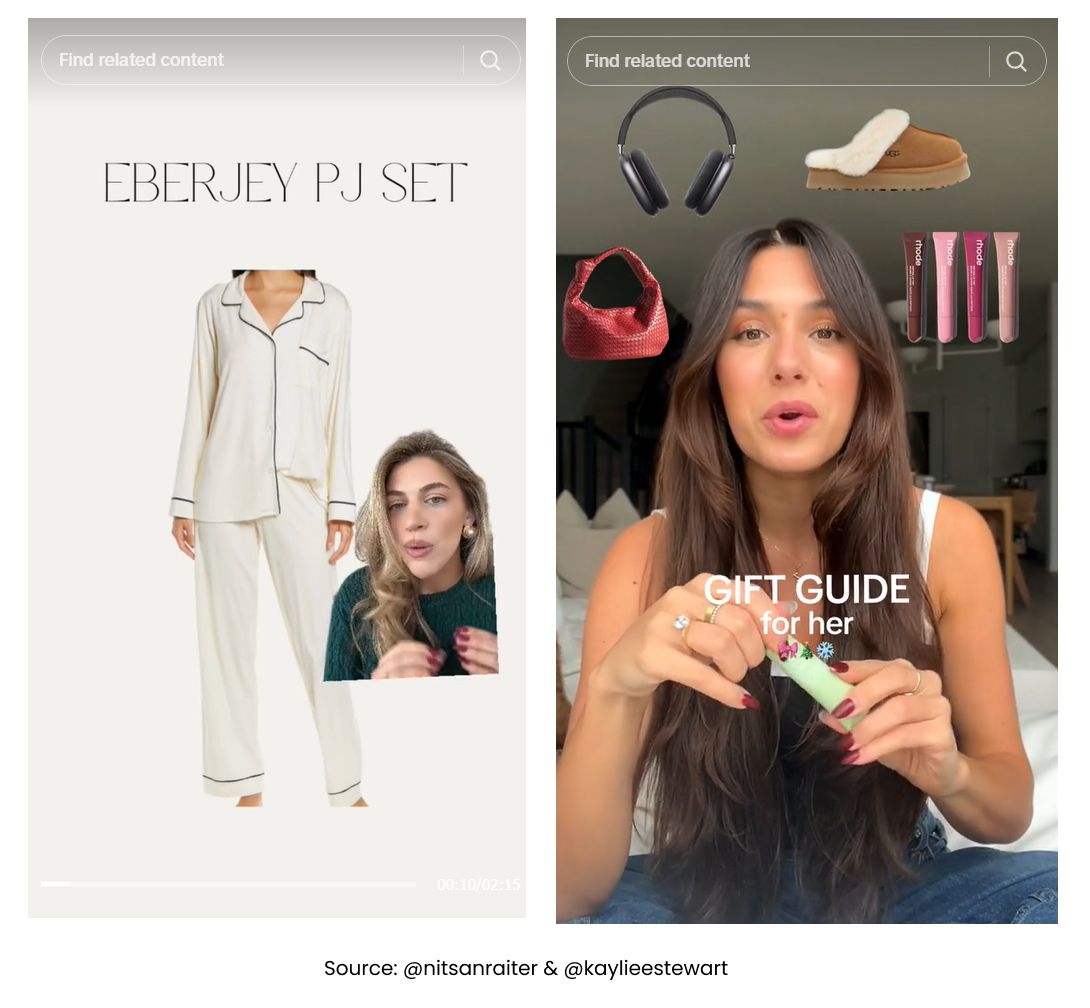
TikTok Shop has graduated from novelty to the default discovery-to-purchase channel for fast-moving brands. US sales hit $15.8 billion in 2025, up 108% year over year, giving it 18.2% of all US social commerce - a share eMarketer expects to keep climbing past $20 billion in 2026 (eMarketer, Dec 2025).
The holiday surge was the proof point: TikTok Shop generated over $500 million across the four-day BFCM period - roughly 5× its 2024 result (Pulse Advertising, Dec 2025). Across all platforms, social media's share of online holiday revenue rose to 4.6%, up 40.3% year over year (Adobe, Jan 2026).
The mechanism behind it is creators. Affiliates and partners - which include social influencers - drove 20.4% of holiday online revenue in 2025. If you're planning for 2026, a creator strategy is no longer optional for social; it's how products get found in the first place.
If you’re running Tiktok Ads, this is a tool that helps you tracking your ad well.
3. Mobile is the default, not the alternative
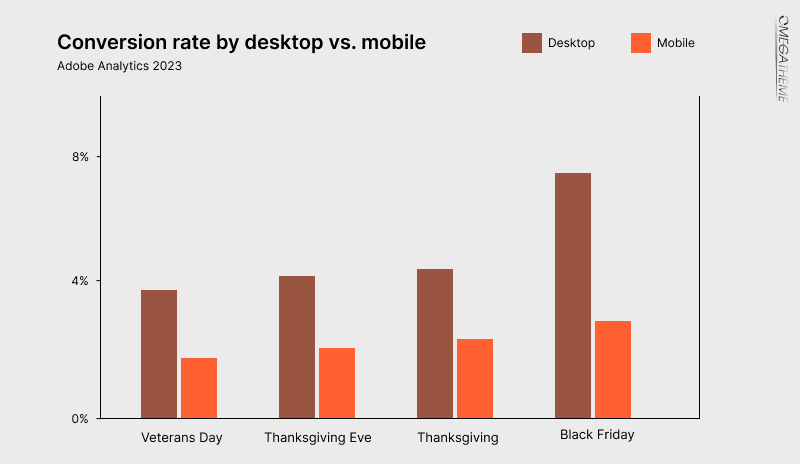
2025 confirmed the phone as the primary shopping device: 56.4% of all online holiday transactions happened on a smartphone, up from 54.5% in 2024, peaking at 66.5% on Christmas Day (Adobe, Jan 2026).
That has a direct consequence for conversion. Impulse-friendly channels like TikTok and short-form video feed straight into mobile checkout, so any friction — slow load times, clumsy forms, no express payment - costs you disproportionately. On Shopify, 32% of BFCM orders were placed with Shop Pay, a 39% jump, precisely because one-tap checkout removes that friction (Shopify, Dec 2025). For 2026, mobile checkout speed is the single highest-leverage thing most stores can fix.
4. Flexible payments went mainstream
Buy Now, Pay Later is now a core part of how holiday purchases get funded, not a fringe option. BNPL contributed a record $20 billion in online holiday spend in 2025, up 9.8% year over year (Adobe, Jan 2026).
With shoppers still price-sensitive, flexible payment options measurably nudge larger carts and higher-ticket purchases. Adobe credited competitive discounts plus BNPL with pushing consumers to "trade up" to bigger items. If your checkout doesn't offer an installment option in 2026, you're leaving average-order-value on the table - especially in electronics, furniture, and apparel, the three categories that drove over half of 2025's online growth.
5. Black November" — the season starts in October
Holiday shopping in 2026 effectively begins in early October, not late November. Pre-season deal events - fall Prime Day, Walmart Deals, Target Circle Week - have stretched the calendar so far that Adobe recorded 25 separate days in 2025 where US shoppers spent $4 billion or more online, up from just 18 in 2024 (Adobe, Jan 2026).
Two things follow for merchants. First, waiting until BFCM to launch your offer means missing weeks of high-intent demand. Second, spreading promotions across October and November eases fulfillment strain and reduces the single-weekend server-and-support crunch. The brands that won in 2025 treated the season as a two-month campaign, not a four-day sprint.
Read more: Revealing top Shopify success apps of Black Friday winners
6. Getting found now means getting found by AI
In 2026, discovery is split between traditional search, social feeds, and a fast-growing third channel: AI answer engines. Traffic from generative-AI tools to retail sites grew 693.4% over the 2025 holiday season, and on Cyber Monday specifically AI referrals were up 670% (Adobe, Jan 2026).
Email and paid search still matter — but the newest lever is optimizing to be cited and recommended by tools like ChatGPT, Google AI Overviews, and Perplexity. That comes down to machine-readable fundamentals: structured product data, clear specifications, consistent attributes, accurate pricing, and real-time inventory. Research consistently shows pages with structured data are surfaced far more often in AI-generated answers. In a season where an agent may do the browsing on the shopper's behalf, the merchants with the cleanest data win the recommendation,
The bottom line for 2026
Holiday shopping in 2026 is a tech-driven event built on records: $257.8 billion online in 2025, mobile as the default device, BNPL at $20 billion, and AI moving from suggestion engine to active buyer. The playbook that follows: start early, sell where discovery happens (social and AI, not just search), remove mobile-checkout friction, offer flexible payments, and make your product data clean enough for a machine to recommend.